
Specialty Market Guide · 2027 Edition
The Buyer’s Guide to Historic Homes
The romance of owning a piece of history — and the practical side of caring for it. Late 1800s and early 1900s homes across North Florida and Southwest Georgia.
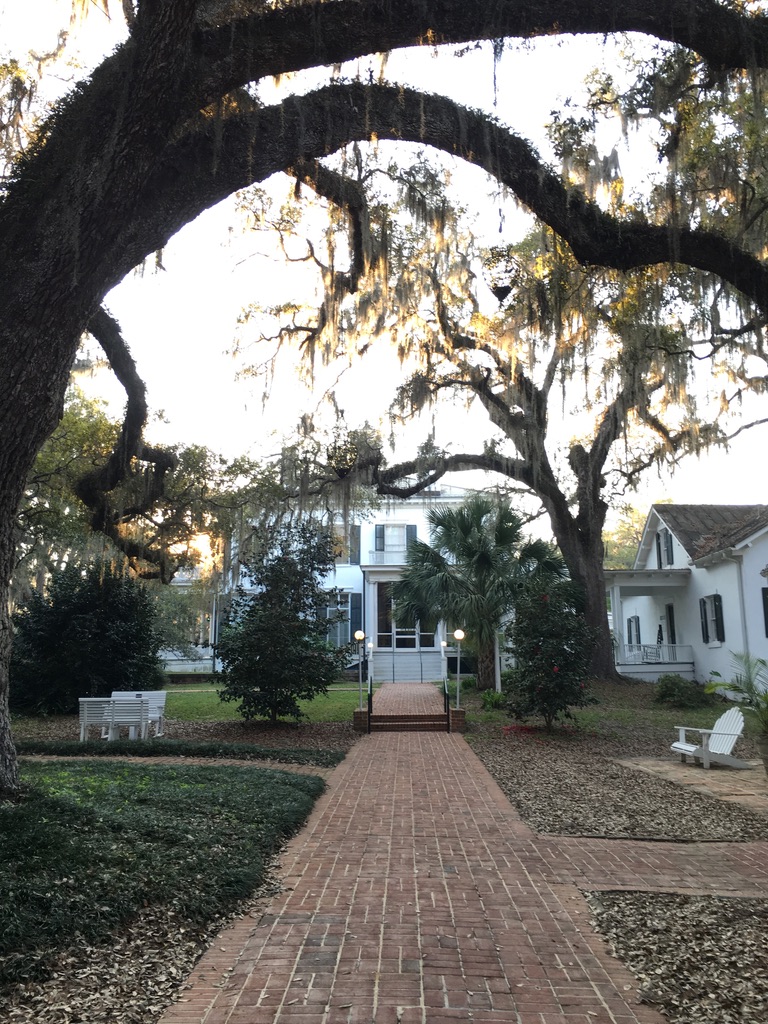
Welcome
Own a piece of history.
There is nothing quite like the sound of heart pine floors under your feet, the way afternoon light moves through hundred-year-old wavy glass, or the porch where families have gathered for generations. When you buy a historic home, you don’t just buy a house. You join its story and become the next steward of its legacy.
I love these homes, and I also want you to go in with your eyes open. A home built in the 1890s or 1910s was made with different materials and methods, and it may come with design rules that a newer home doesn’t have. Knowing that ahead of time is what turns a romantic purchase into a confident one.
This guide covers both sides: why historic homes are worth it, and what to check before you sign.
Debbie Kirkland · Broker, Century 21 First Story Real Estate
The romance
Why buyers fall in love with historic homes
Fine homes from the late 1800s and early 1900s are few, and well-kept ones are fewer still. Here is what makes them worth the extra care.
They’re rare
Most sit close to a downtown square, so you can walk to shops, churches and restaurants — and most are already gone from the new-build market.
Craftsmanship you can’t buy today
Old-growth heart pine, tall ceilings, transoms, pocket doors, carved mantels, turned staircases and original chandeliers would cost a fortune to recreate.
You become part of the legacy
Every historic home has a story of the families who built it and the town that grew around it. As the owner, you protect that story and add a chapter of your own.
A true sense of community
Historic districts tend to have less owner turnover and more long-time neighbors, along with home tours, porch-sitting and neighborhood events.
Predictability and value
Design review protects the look of a district. Studies show homes in local historic districts often appreciate faster than similar homes elsewhere, with a premium often between 5 and 20 percent.
The greenest house is the one already built
Restoring an older home avoids the waste and new materials of demolition and rebuilding. It keeps a well-built house in service for another century.
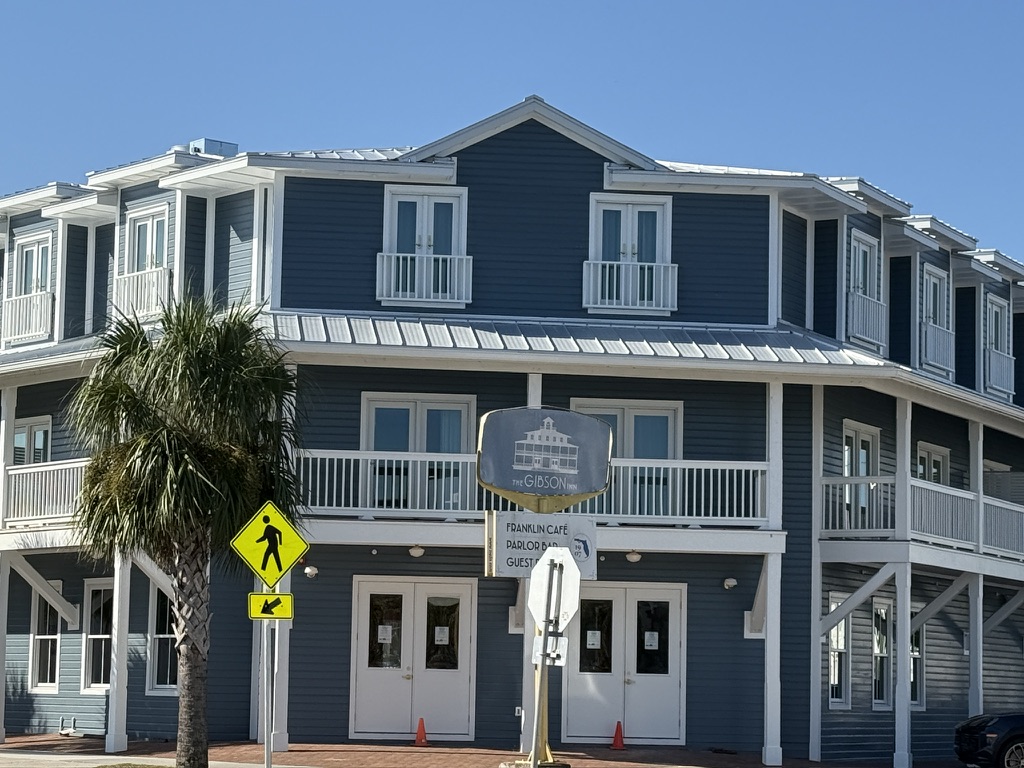
Apalachicola, Florida — the historic Gibson Inn
The practical side
Heart and head: an honest look
Owning history is rewarding, and it takes planning. Here is what you gain, and what to budget time and money for.
What you gain
- One-of-a-kind character and architecture
- Quality old-growth lumber and solid construction
- Walkable, established neighborhoods near downtown
- Protection from out-of-scale development next door
- Strong long-term value in well-kept districts
- Possible tax incentives for approved rehabilitation
What to plan for
- Higher, more frequent maintenance; plaster, wood windows and trim cost more than modern materials
- Specialized craftsmen, salvaged or custom parts, and longer project timelines
- Design review for exterior changes in local districts
- Insurance hurdles for older roofs, wiring and plumbing
- Lenders who may hesitate on homes needing major work
- Lower energy efficiency and safety updates such as wiring, lead paint and second-floor exits
Fall in love with the house, then let the inspections, insurance quotes and district rules confirm it’s the right one. Set aside a maintenance reserve from day one.
Know the bones
Building materials of the era
Homes built from the 1880s to the 1920s were made by hand with materials that age differently than today’s. Here is what you are likely to find, and what to look for.
| Feature | Why it matters | What to check |
|---|---|---|
| Heart pine & cypress | Dense old-growth lumber that resists rot and insects better than modern pine. Floors, framing and siding are often original. | Soft spots, termite damage, rot at sills and porch decks, past sanding thickness on floors. |
| Plaster & lath | Solid, quiet walls with a hand-finished feel. Repairs need a plaster craftsman, not drywall patches. | Cracks, bulges and loose plaster on ceilings; water stains under baths and roofs. |
| Wood windows | Wavy glass and true divided lights are prized. Restored and weatherstripped, they can outlast vinyl. | Rotted sills, broken sash cords, painted-shut sashes and loose glazing. |
| Pier foundations | Many Southern homes sit on brick piers with a crawlspace that keeps them cool and dry. | Settling, leaning or cracked piers, sagging floors, moisture and ventilation under the house. |
| Metal & slate roofs | Standing-seam metal is traditional here and very long-lived if maintained. | Rust, loose seams, flashing at chimneys, and the age of the roof for insurance. |
| Fireplaces & chimneys | Many homes have several. Most were built for coal or wood and may not be lined. | Have a chimney sweep inspect liners, dampers, mortar and hearths before you light one. |
| Wiring & plumbing | Original knob-and-tube wiring and galvanized or cast iron pipes may still be in the walls. | Panel type and age, ungrounded outlets, pipe material, leaks and water pressure. |
| Paint & insulation | Homes built before 1978 likely contain lead paint; some later repairs may contain asbestos. | Peeling or chalking paint, old pipe wrap, flooring and siding. Test before you sand or remove. |
Due diligence
Inspections, insurance & safety
A standard home inspection is a start, but a historic home deserves a team that understands older construction. Use your inspection period wisely.
Your inspection team
- Home inspector experienced with older homes
- Wood-destroying organism (termite) inspection
- Licensed electrician to evaluate wiring and the panel
- Plumber, with a camera inspection of the sewer line
- Roofer, especially for metal or slate roofs
- Structural engineer for settling, piers or sagging floors
- Chimney sweep for every fireplace you plan to use
- Lead paint inspection or risk assessment
- Septic and well inspection on rural properties
- HVAC technician, especially for older ductwork
Insurance & lead paint
Get an insurance quote before inspections end. In Florida, Citizens Property Insurance requires a four-point inspection of the roof, electrical, plumbing and HVAC for homes more than 20 years old. Shingle roofs over 25 years old, and tile, slate or metal roofs over 50, need proof of at least five years of remaining life. Private insurers often have similar rules.
For homes built before 1978, federal law requires the seller to disclose known lead-based paint and give you an EPA pamphlet. You also get a 10-day period to test, unless you agree in writing to a different time.
Designations explained
Is the home “historic,” and what does it mean?
“Historic” can mean three very different things. The difference decides what you can change and which incentives you may qualify for.
National Register
A federal list of places worth preserving, either individually or in a district. Listing places no restrictions on a private owner using private funds, but can make you eligible for some tax incentives and grants.
Local district or landmark
A city or county preservation ordinance. Exterior changes, new construction, demolition and sometimes fences need a Certificate of Appropriateness before you get a permit. Interior changes generally are not reviewed.
Simply old
Many beautiful 1900s homes have no designation. There’s no design review, but you also won’t have access to most historic incentives. You can still restore it to your own standards.
Tallahassee
Properties zoned with the Historic Preservation Overlay need a Certificate of Appropriateness from the Tallahassee-Leon County Architectural Review Board for exterior work beyond ordinary maintenance. The Tallahassee Trust for Historic Preservation administers the process.
Thomasville
The Historic Preservation Commission must approve any material change to the exterior of a designated property. Paint color doesn’t need approval, but new siding of any kind does. The commission has 60 days to decide, and approved work must start within six months.
Before you buy: ask the city or county planning office whether the address is locally designated or zoned with a historic overlay. A National Register listing alone does not create design review.
Incentives & financing
Programs that can help
Most historic incentives reward approved rehabilitation work, not simply owning the home. Each has its own application, which usually must be filed before work starts. Ask early.
Florida property tax exemption
Local option, up to 10 years. Counties and cities may exempt up to 100% of the increase in assessed value from an approved rehabilitation. The home must be National Register listed, contributing to a Register district, or locally designated.
Georgia property tax freeze
Preferential assessment for about 8.5 years on a qualifying historic home and up to two surrounding acres. For an owner-occupied home, the rehabilitation must raise fair market value by at least 50% and meet state standards.
Georgia income tax credit
25% of qualified costs, up to $100,000. Owners of a historic principal residence may apply for a state credit on approved rehabilitation. Since 2026, homes in local historic districts may also qualify.
Federal 20% credit
Income-producing only. A federal income tax credit for certified rehabilitation of income-producing historic buildings such as a bed and breakfast, rental or event venue. It does not apply to a home used only as your residence.
Renovation financing
Purchase plus repairs. Renovation mortgages such as FHA 203(k), Fannie Mae HomeStyle and Freddie Mac CHOICERenovation can roll repair costs into one loan. Choose a lender with older-home experience.
Apply first, then build
Most programs will not count work that starts before approval. Confirm current rules, eligibility and deadlines with each agency before relying on them.
Where history lives
Historic towns we know
Many of the communities I serve outside Tallahassee are historic towns, with homes dating to the late 1800s and early 1900s. Each one has its own character and its own rules.
North Florida
- Tallahassee – Park Avenue and Calhoun Street historic districts, plus landmark homes across Leon County
- Quincy & Havana – Gadsden County’s courthouse square, Victorian and Classical Revival homes and antique shops
- Monticello – antebellum and Victorian homes in Jefferson County
- Marianna – Jackson County’s historic county seat
- Blountstown – small-town brick storefronts and murals along the Apalachicola
Southwest Georgia
- Thomasville – Victorian winter-resort homes, brick streets and Red Hills plantation heritage
- Cairo & Whigham – Grady County’s main streets and farmhouses
- Quitman – Brooks County’s historic homes and courthouse square
- Bainbridge – a riverfront downtown on the Flint River
- Moultrie – Colquitt County’s downtown and early 1900s neighborhoods
Rules vary from town to town. Some places have a local historic preservation commission with design review. Others have National Register districts with no local review at all. Before you write an offer, we confirm exactly which rules apply to that address.
How I work with buyers
A guided path to the right historic home
Discovery
We talk about the era, style and town you love, how you’ll live in the home, and how much restoration you want to take on.
Search and early alerts
Custom searches on FirstStory.co and HomeSalesofTallahassee.com, plus my network and 34,000+ contact database, for homes that may never reach a sign.
Designation check
Before you tour, we confirm whether the home is National Register listed, in a local district, or neither, and what that means for your plans.
Tours with a trained eye
We look past the charm at roofs, piers, windows, wiring and signs of past repairs.
Offer and protections
Pricing guidance based on condition and true comparables, with time for specialist inspections, insurance quotes and the 10-day lead paint period.
Closing and beyond
Introductions to restoration craftsmen, insurers and preservation offices, so you start ownership with the right team.
Buyer’s checklist
Before you write an offer
Ask about the house
- When was it built, and by whom? Is there a written history?
- Is it National Register listed, locally designated, or in a district?
- What major work has been done, when, by whom, and was it permitted?
- Were any changes approved with a Certificate of Appropriateness?
- Age and type of roof, wiring, plumbing, HVAC and water heater
- Any lead paint, asbestos, termite or foundation reports on file?
- Average monthly utility costs
Ask about your plans
- Will the exterior changes I want need design review?
- Can I add a kitchen, bath, garage, pool or fence where I want it?
- Does zoning allow a guest house, rental, B&B or event use?
- What will insurance cost, and will the home pass a four-point inspection?
- Do I qualify for any tax incentive, and must I apply before work begins?
- Who are the local craftsmen for plaster, windows and masonry?
Budget tip: many owners of older homes set aside a yearly maintenance reserve of 1 to 3 percent of the home’s value. Plan toward the higher end for homes that haven’t been restored recently.
Questions & answers
Historic home questions, answered
Does a National Register listing restrict what I can do to my home?
No. National Register listing places no restrictions on a private owner using private funds. Only a local ordinance — a local historic district or landmark designation — can require design review and a Certificate of Appropriateness.
Will a historic home be hard to insure in Florida?
It can take more work, but it is manageable. Get quotes before your inspection period ends. For homes over 20 years old, Florida’s Citizens requires a four-point inspection of roof, electrical, plumbing and HVAC, and older roofs may need proof of remaining life.
Can I use a normal mortgage to buy an older home?
Often yes. If the home needs substantial repairs, renovation loans such as FHA 203(k), Fannie Mae HomeStyle or Freddie Mac CHOICERenovation can combine the purchase and the repairs. Some lenders are more comfortable with older homes than others.
What are the biggest surprises for first-time historic buyers?
Maintenance cost and frequency, specialized trades, and design review. Plaster, wood windows and trim cost more to repair than modern materials, and exterior changes in a local district need approval before work starts.
Are historic homes a good investment?
In well-kept local historic districts, studies show homes often appreciate faster than similar homes elsewhere, with a premium often between 5 and 20 percent, and they tend to hold value better when markets decline. Condition, originality and systems still drive the number.
Looking to buy a historic home?
Whether you dream of a Victorian in Thomasville, a farmhouse outside Cairo or a home near a courthouse square in Quincy, let’s find the historic home that fits your life and your plans.