
Specialty Market Guide · 2027 Edition
The Seller’s Guide to Farm, Ranch & Equestrian Property
How we value, position and market land, horse farms and timberland to the buyer most likely to pay for everything your property is worth.
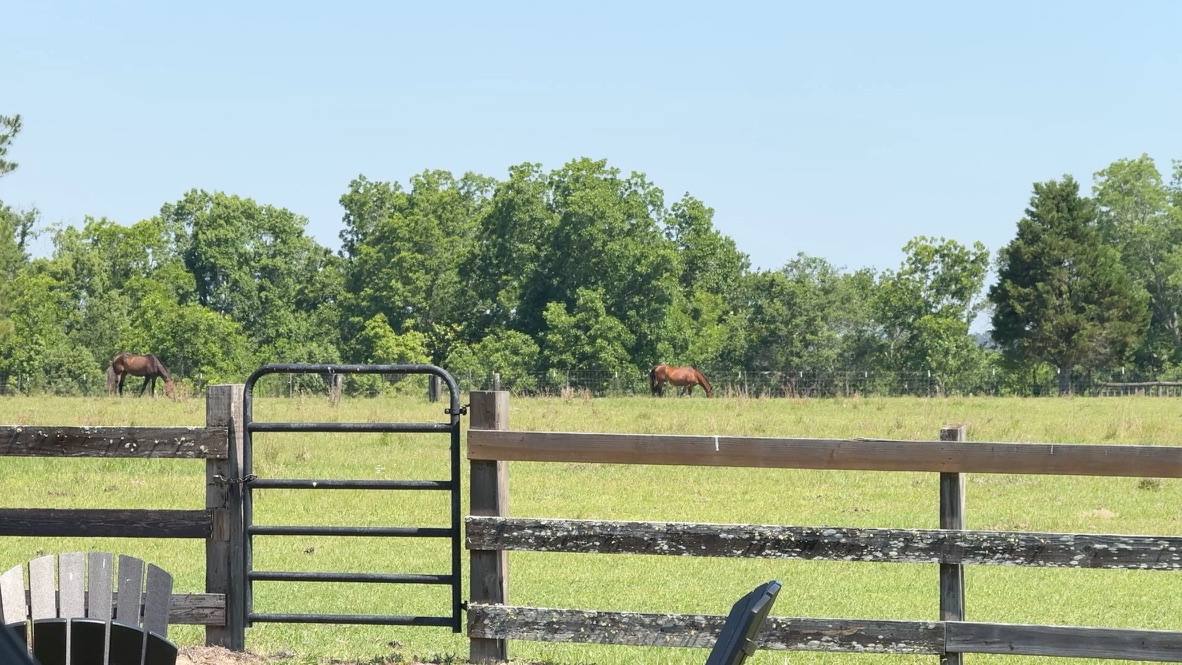
Welcome
No two farms are alike.
A farm is more than acreage. It’s the fencing you built one post at a time, the barn you designed around your horses, the pines you planted for the next generation, and the pond your grandchildren learned to fish in. When it’s time to sell, that property deserves more than a few MLS comparables and a sign by the road.
I was raised on a farm, rode and competed growing up, and come from five generations of North Florida and South Georgia families who farmed, ranched and raised cattle. I own a farm in Cairo, Georgia today. I know what it takes to build and care for land like yours, and I know how to find the buyer who will value it.
This guide shows how we study your property, price every asset on it, and market it directly to the most probable buyer.
Debbie Kirkland · Broker, Century 21 First Story Real Estate
By the numbers
A record built on land
Sellers of farm, ranch and equestrian property choose me because of results with properties exactly like theirs.
Farm & land sales volume
Farm, land and equestrian sales across North Florida and Southwest Georgia.
Years of experience
Licensed since 2002, leading her own brokerage since 2014, in Florida and Georgia.
Sold-to-list price ratio
Applied to farm, land and equestrian sales over her career.
Average days on market
Fewer financing contingencies and smoother closings, even on large, complex properties.
Buyers & sellers in our database
Built over 25 years, and often the first place a qualified buyer hears about your farm.
Largest single sale
Most of our farm buyers pay cash, which speeds up closing.
Local knowledge
Rooted in horse country
From the Red Hills plantations between Tallahassee and Thomasville to the pastures and farmland of Wakulla, Gadsden, Jackson, Grady, Brooks, Colquitt and Decatur counties, this region offers what equestrians and land buyers look for: a mild climate for year-round riding, productive soils, long growing seasons, and room to breathe within an easy drive of Tallahassee.
I am known across the region for equestrian listings and sales, and I understand what a horse buyer checks first: fencing and cross-fencing, paddock rotation, stall count and barn ventilation, arena footing, wash racks, tack rooms, trailer access and hay storage.
North Florida
- Leon County & Tallahassee – gated equestrian estates and acreage close to town
- Wakulla County – rural acreage near the Gulf coast, springs and national forest
- Gadsden County & Quincy – rolling horse farms, ponds and working ranches
- Jackson County – open pastureland and larger horse and cattle tracts
Southwest Georgia
- Thomas County – Red Hills plantations and quail country
- Grady County – timber, river frontage and hunting land
- Brooks County – cropland, cattle and rural acreage
- Colquitt County – Georgia’s top farm county by value
- Decatur County – irrigated farmland and horse farms
HomeSalesofTallahassee.com is our main driver for equestrian property. Buyers come to it specifically to search horse farms and acreage across the region.
Market profile
Southwest Georgia farm country
Rural counties with productive soils, cropland, cattle and timber, and a long agricultural heritage. I am actively working with farm buyers and sellers in each of them.
Colquitt County
Georgia’s top agricultural county, with a state-leading farm gate value of about $700 million in 2024. It also leads the state in vegetable value and is a top producer of cabbage and bell peppers, alongside cotton and peanuts.
Decatur County
A row-crop and fresh-produce powerhouse on highly irrigated farmland, first in Georgia for sweet corn and second for vegetable value, with large cotton and peanut acreage and recreation on Lake Seminole.
Brooks County
About 392 farms on roughly 207,000 acres, ranking fifth in Georgia for harvested cropland. Cotton and peanuts lead, alongside about 13,000 head of cattle, dairy, hay and a top-10 vegetable industry.
Grady County
Row crops, vegetables and a strong timber sector, plus one of Georgia’s top-10 counties for ornamental horticulture. Cairo carries a proud cane syrup heritage, and the Ochlockonee River offers hunting and river land.
Thomas County
The heart of the Red Hills, known for historic quail plantations, longleaf pine and legacy estates, with working row-crop farms, cattle and timber across its rural communities.
What it means for sellers
Buyers for these counties include farm operators, investors, hunters and legacy families. Knowing which one fits your land is how we position and price it.
How we value & market a farm
Beyond the MLS comps: our five-step process
Many agents put together a price from a few MLS sales nearby. Farms don’t work that way. Two 40-acre properties on the same road can be worth very different amounts depending on the fencing, the barns, the timber, the water and the work that has gone into the home. We study and drill down on every one of those layers.
Gather & assemble the data
Exemptions and current uses, flood zone, soil reports, surveys, taxes, property appraiser data, any income production and the costs of running the farm.
Build the pricing strategy
Price is based on the market, the property’s specific amenities, buyer demand and a current appraisal if one exists. Our detailed Seller Interview Sheet captures systems, buildings, fencing, leases, exemptions and exactly what conveys.
Create the feature lists
Separate lists for the home, the land and the amenities become the backbone of the marketing plan and the shot list for photography and video.
Outline the marketing timeline
A written, dated plan from property walk to public launch, including media production, web buildout and seller review points.
Roll out the marketing
A coordinated launch across MLS, specialty sites, video, social and direct outreach to our database and equestrian network, with ongoing updates.
What we value
Every asset counts
These are the improvements and natural features we study and price on every farm. Each one can add real value when it’s documented and presented to the right buyer.
- Timber – species, age, stocking and merchantable volume, verified by a forester’s cruise
- Fencing – board, no-climb and wire; perimeter and cross-fencing; gates and paddock layout
- Barns & stalls – stall count, construction, ventilation, wash racks, tack rooms and living quarters
- Arenas – size, footing, drainage, fencing and lighting for riding and training
- The home – construction quality, updates, remodels, systems and the finishes buyers notice
- Outbuildings – equipment sheds, workshops, hay storage, garages and guest cabins
- Water – ponds, springs, creeks, river frontage, wells and irrigation
- Land & soils – pasture quality, cropland, topography, access, road frontage and divisibility
Tip for sellers: pull together receipts, permits, surveys, timber records and improvement dates before we meet. Documented improvements are easier to value and easier for a buyer to trust.
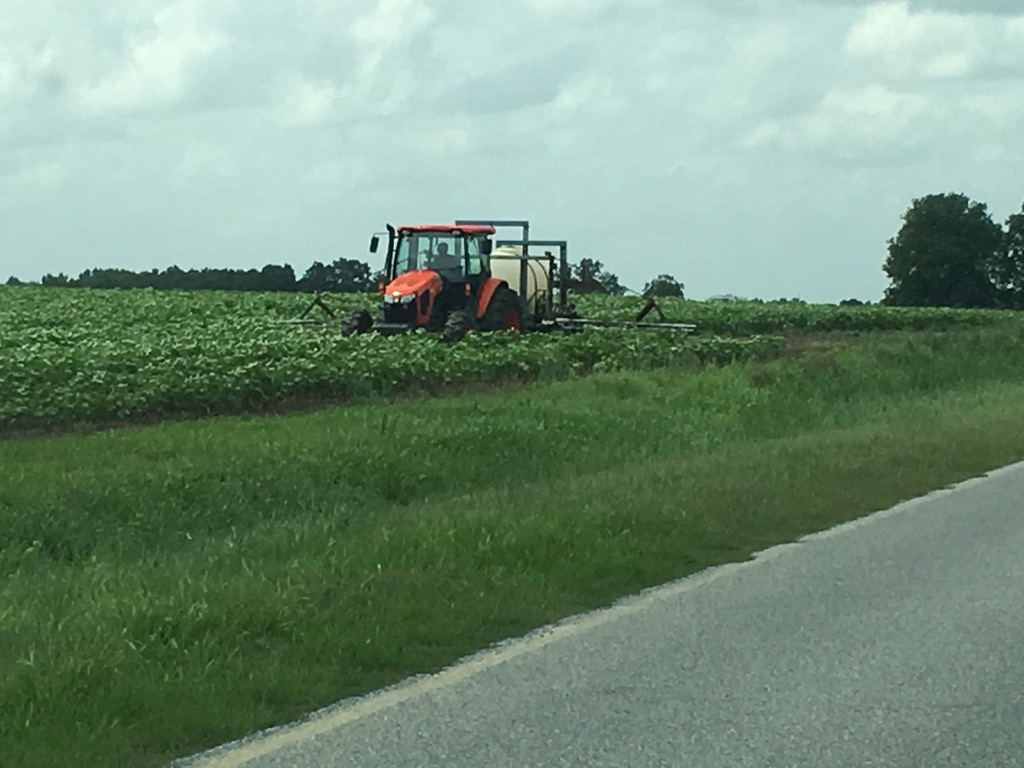
Working land carries value in every layer — soil, water, access and improvements
Your custom marketing plan
A targeted listing strategy for every farm
Every seller receives a written Targeted Listing Strategy built for their property. Here is what a typical plan for an equestrian farm includes.
Home & lifestyle
The residence, porches and setting as a comfortable home base — not just “a house with acreage.”
Horse operation
Barn, stalls, tack, arena, fencing, paddocks, water and trailer access, told as one working system.
Land & location
Acreage, parcels, pasture and hay ground, access and drive times to town, vets, shows and the airport.
The visual package
- Professional photography from an equestrian buyer’s point of view
- Cinematic property film and a short vertical video series
- Aerial imagery, parcel maps and feature graphics
- Matterport 3-D home tour for out-of-area buyers
- Single-property website and SEO/AEO landing page
- YouTube film and a printed Farm & Ranch brochure
A deliberate two-week pre-launch
We build the full campaign first, then launch everywhere at once.
- Day 0 – walk the home, barn, arena and acreage; confirm features and priorities
- Days 1–7 – feature inventory, measurements, parcel review, then photography, film, aerials and video
- Week 2 – edit media; build property website, maps, brochure, MLS copy and agent outreach
- Launch – MLS, websites, video, social and specialty outreach together
- Days 10–14 and ongoing – seller review of traffic and feedback; fresh content every two weeks
Target marketing
Finding the most probable buyer
Putting a farm in the standard MLS and waiting is not a marketing plan. We laser-focus on the buyers most likely to purchase your specific property, then put it in front of them wherever they are searching, scrolling or riding.
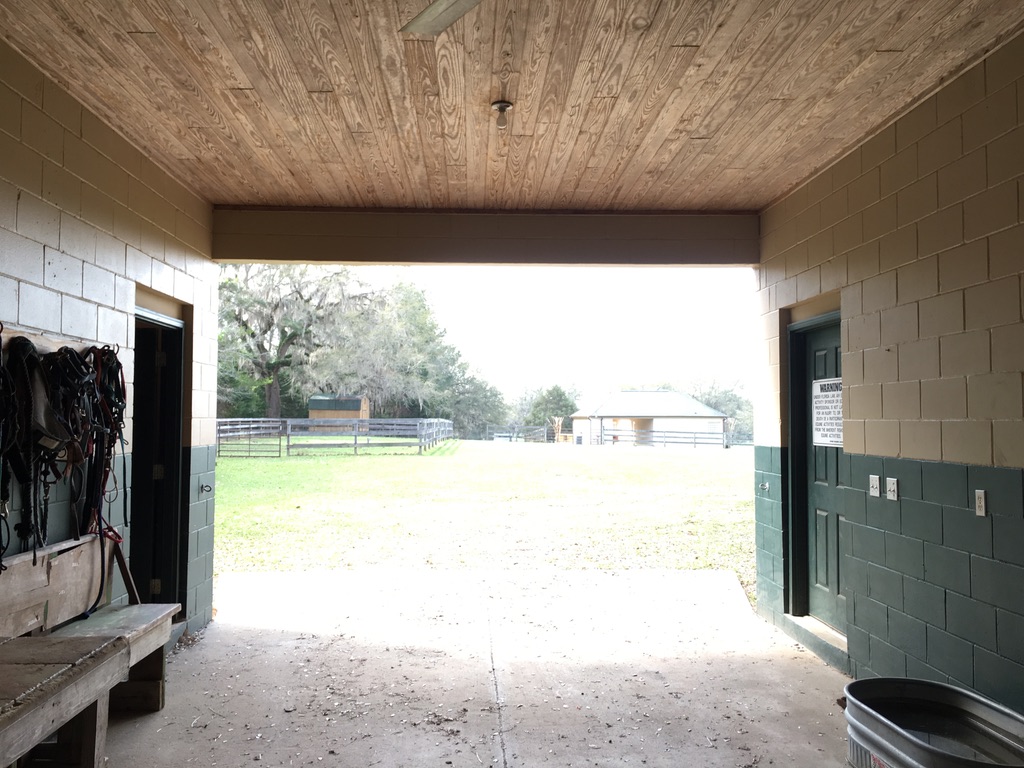
The Equestrian Buyer
Riders, trainers and breeders looking for turnkey barns, arenas, fenced pasture and trailer access.
The Legacy & Estate Buyer
Families seeking a luxury rural home and land to enjoy and pass to the next generation.
The Recreational Buyer
Hunters, anglers and outdoor families looking for timber, ponds, food plots and privacy.
The Timber & Land Investor
Buyers focused on stand value, growth, cash flow and long-term appreciation.
The Farm Operator
Cattle, hay and row-crop producers who need productive soils, water and infrastructure.
The 1031 Exchange Buyer
Investors with exchange deadlines who need the right replacement property, often paying cash.
Off-market matters too. Some of our best sales never reached the MLS. They closed through word of mouth, our database and private 1031 exchanges, quietly and on the seller’s terms.
Our marketing
Where your buyers are looking
- HorseProperties.net – a specialty marketplace where serious equestrian buyers search nationwide
- Land.com Network – national land marketplaces reaching farm, ranch, hunting and recreational buyers
- HomeSalesofTallahassee.com – our main driver for equestrian properties in the region
- FirstStory.co & Century 21 – our brokerage site plus Century 21’s nationally branded sites in English and Spanish
- Commercial platforms – larger tracts and investment land reach commercial and investor buyers
- Specialty digital groups – targeted placement in equestrian, land, hunting and farm communities online
- Equestrian events – listings brought to the horse shows and events where buyers gather
- Paid social advertising – Facebook and Instagram campaigns aimed at buyers by interest, location and lifestyle
- Professional photography & aerials – magazine-quality photos and drone imagery showing the whole property
- Coming Soon campaigns – we build demand before launch, with early outreach to our database and network
The selling process
From first walk to closing
Seller consultation & property walk
We walk the home, barns, fences, water and timber, confirm what conveys and talk through your goals and timeline.
Data and pricing
Surveys, exemptions, soils, flood zone, taxes, income production, timber records and improvement receipts go into the pricing strategy.
Prepare the property
Fix safety and access issues, clear fence lines, groom pasture and staging, and assemble the documentation buyers will ask for.
Build the campaign
Feature inventory, photography, film, aerials, Matterport, property website, brochure and targeted buyer lists.
Launch and outreach
A coordinated public launch plus direct outreach to our 34,000+ database, equestrian agents and the Century 21 Farm & Ranch network.
Negotiate and close
We manage offers, inspections, surveys, well and septic tests, and lender or 1031 timelines through a smooth closing.
Questions & answers
Farm and land selling questions, answered
How is a farm priced differently from a house?
We value each layer separately: timber, fencing, barns and stalls, arenas, the home, outbuildings, water and the land and soils. Two 40-acre properties on the same road can be worth very different amounts depending on those features, so MLS comps alone are not a pricing strategy.
What documents should I gather before we meet?
Receipts, permits, surveys, timber records, improvement dates, exemptions, leases, flood zone information, utility costs and any income production. Documented improvements are easier to value and easier for a buyer to trust.
Can you sell my farm without listing it publicly?
Sometimes. Some of our best sales never reached the MLS — they closed through our database, word of mouth and private 1031 exchanges, on the seller’s terms. We can weigh a quiet launch against a full public campaign.
How long does it take to sell a farm?
Our farm, land and equestrian sales average 92 days on market, with a 96.5 percent sold-to-list price ratio. Complex properties with several parcels and buildings can take longer; a documented, well-prepared property moves faster.
Should I cut the timber before selling?
Not automatically. A forester’s cruise establishes current stand value, and buyers will price the timber either way. Harvesting before a sale can narrow your buyer pool and remove an asset that some buyers pay a premium for.
Do buyers pay cash for farms?
Most of ours do, which means fewer financing contingencies and smoother closings. We still prepare for agricultural lenders and 1031 exchange buyers, and we make sure the property is presented for all three.
Thinking about selling your farm or ranch?
Let’s walk the property, document every asset and build a plan that reaches the buyer most likely to pay for all of it.