
Specialty Market Guide · 2027 Edition
The Seller’s Guide to Historic Homes
How to honor your home’s story, disclose with confidence and market a historic property to the buyer who will treasure it.
Welcome
You’ve been the steward of a story.
A historic home is never just square footage. It’s the staircase your children raced down, the mantels you restored, the porch that has welcomed neighbors for more than a century. You have cared for something that will outlive all of us, and selling it deserves the same care.
Historic homes attract buyers who are passionate, and buyers who are cautious. My job is to reach the first group with your home’s story and to answer the second group’s questions before they’re asked — telling the story well, documenting the house thoroughly and disclosing openly, so the right buyer can say yes with confidence.
This guide explains how we prepare, price and market a historic home, and what sellers should know about disclosure and district rules.
Debbie Kirkland · Broker, Century 21 First Story Real Estate
The most probable buyer
Who buys historic homes
Historic buyers buy with their hearts and confirm with their heads. Knowing who they are shapes every word, photo and showing.
The Steward
Loves preservation and wants an authentic home with its original features intact. Tell them what’s original, what’s been restored, and how carefully.
The Relocating Professional
Moving to the region and drawn to walkable streets near a courthouse square. Updated systems and move-in condition matter most.
The Legacy Family
Looking for a gathering place for children and grandchildren and a home to pass down. Porches, yards and room for the holidays sell this buyer.
The Entrepreneur
Pictures a bed and breakfast, event venue or guest rental. Zoning, parking and potential income-producing tax credits come up first.
The Right-Sizer
Leaving a larger property for character and walkability in town. Main-floor living, low-maintenance grounds and documented repairs reassure them.
The Restoration Buyer
Wants a project and the chance to bring a home back. Honest condition information and clear district rules help them make a strong offer.
One home, several audiences. We tailor the listing story, the photos and the showing materials so each type of buyer quickly sees why this home fits their life.
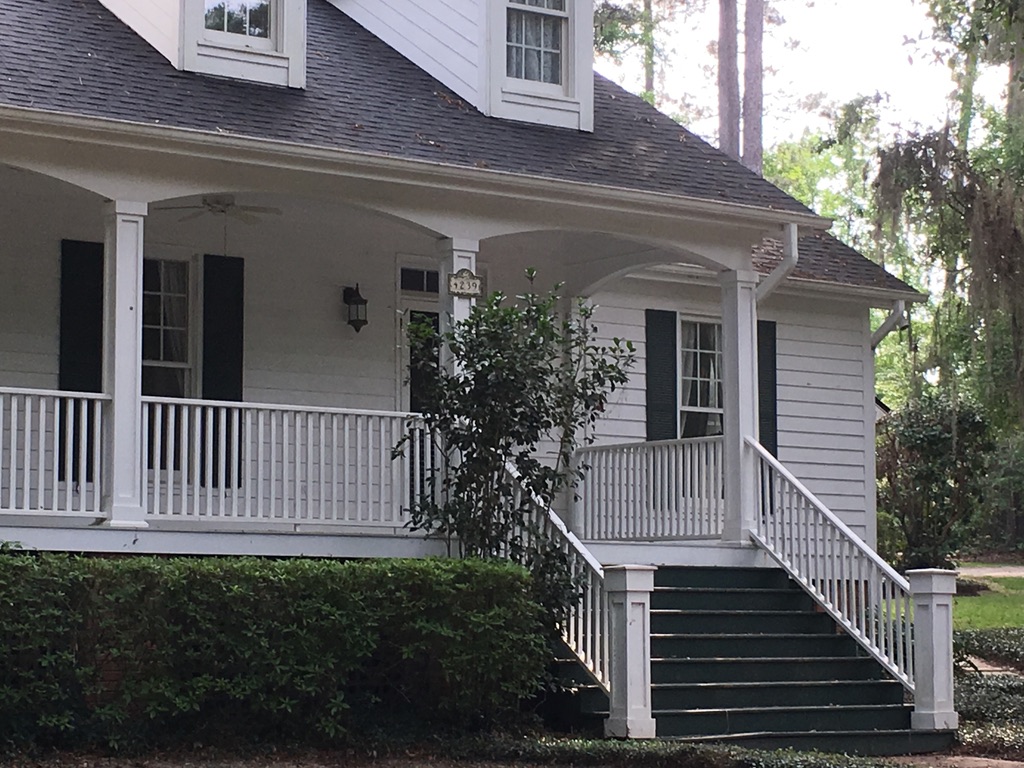
The front porch is where the first impression starts
Provenance
Your home’s story is an asset
Buyers pay for what they can feel and what they can trust. A well-documented history gives a home emotional pull and builds confidence. We help you assemble a “house history” file to share with serious buyers.
What to gather
- Year built, original owner, builder or architect
- National Register nomination or Florida Master Site File entry
- Old photographs, postcards, letters and newspaper mentions
- Names and stories of past families who lived there
- Original features: floors, mantels, windows, doors, hardware, lighting
- Restoration records: who did the work, when and with what materials
- Certificates of Appropriateness and permits for past work
- Home tour appearances, awards or plaques
How we use it
Your home’s history shapes the listing remarks, a printed history sheet for showings, social media and video. We feature original details and the restoration work behind them, so buyers see the care behind the charm.
A buyer who knows the story becomes the next one to protect it.
Disclosure
What sellers must share
Full, honest disclosure protects you after closing and builds trust with buyers. Historic homes have a few extra items to think about.
Florida
Under Johnson v. Davis, a Florida seller who knows of facts that materially affect value, aren’t readily observable and aren’t known to the buyer must disclose them.
Georgia
Georgia generally follows “buyer beware,” but sellers can’t hide known problems or mislead buyers, and agents must disclose adverse material facts they know about. A written seller’s disclosure is standard practice.
Federal · pre-1978
Sellers must disclose known lead paint and hazards, share any reports, provide the EPA pamphlet and give buyers a 10-day testing period unless both sides agree otherwise.
Historic home items to disclose
- Designation status: National Register, local landmark or district
- Easements, covenants or preservation agreements
- Pending or past Certificates of Appropriateness, and violations
- Tax incentives in place and their terms
- Known lead paint, asbestos or mold, and testing or abatement
- Insurance claims or difficulty getting coverage
- Foundation or pier repairs, settling and termite history
- Roof age and type, and any leaks or repairs
- Wiring type, including knob-and-tube still in use
- Plumbing materials, sewer or septic issues
- Unpermitted work, or chimneys that aren’t safe to use
- Past water intrusion, crawlspace moisture or drainage
- Outbuildings, wells or cisterns and their condition
District rules are not defects, but they are material. A buyer who plans to add a garage, pool or new windows needs to know about design review before making an offer. Sharing it early prevents surprises during the inspection period.
When in doubt, disclose. A disclosed issue becomes part of the price conversation. An undisclosed one can become a lawsuit. Talk with a real estate attorney about your specific situation.
Getting ready
Preparing a historic home for market

Inspect before you list
A pre-listing inspection by an older-home specialist reveals surprises early, while you still control the fix and the story. In Florida, a current four-point inspection on roof, electrical, plumbing and HVAC answers the buyer’s first insurance question. Add termite, chimney and sewer camera scope.
Repair, don’t erase
Fix safety items and active leaks first. Repair original windows, plaster and trim instead of replacing them. Avoid quick “modern” updates that remove character, such as vinyl siding or replacement windows. In a local district, get approval before exterior work — approval can take weeks.
Let the details shine
Spend where it counts: condition, safety and curb appeal rather than a full remodel. Clean and polish mantels, hardware, chandeliers and stained glass. Refresh porches, rockers and the front door. Edit furnishings so floors, ceilings and staircases can be seen. Groom the yard and old trees.
Pricing
Pricing a one-of-a-kind home
Historic homes rarely have perfect comparables. Two 1905 homes on the same street can differ by hundreds of thousands of dollars because of condition, originality and systems. We study what actually drives value, item by item.
What adds value
- Original features in good condition: floors, mantels, windows, millwork
- Quality restoration with records and approvals
- Updated roof, wiring, plumbing and HVAC
- A location in a protected district near downtown
- Documented history and architectural significance
- Porches, gardens, outbuildings and room for guests
What buyers discount
- Deferred maintenance and unknown conditions
- Insurance hurdles from older roofs or wiring
- Remodels that removed historic character
- Unpermitted or unapproved work
- Foundation, moisture or termite concerns
- Uncertainty about district rules
The district premium. Studies of local historic districts show homes there often appreciate faster than similar homes elsewhere, with a premium often between 5 and 20 percent. They also tend to hold value better when markets decline. We use local sales, your home’s condition and its story to set a price that attracts the right buyer.
Marketing history
How we market a historic home
Our five-step process, tailored to the romance and the reality of a historic property.
Gather the data and the history
Designation, permits, approvals, inspections, systems ages, utility costs, taxes and any incentives, plus the house history file.
Pricing strategy
Local historic sales, condition, originality and current demand, reviewed with you using our Seller Interview Sheet.
Feature story
A “then and now” feature sheet: architectural style, original details, restoration work and the updates that make it livable today.
Marketing timeline
Launch timed around the market, and around local home tours and seasonal events when they fit.
Rollout
Professional photography of the details, video and aerials, a story-driven listing, our 34,000+ contact database, FirstStory.co and HomeSalesofTallahassee.com, and luxury networks as a CLHMS.
Where history lives
Historic towns we know
North Florida
- Tallahassee – Park Avenue and Calhoun Street historic districts, plus landmark homes across Leon County
- Quincy & Havana – Gadsden County’s courthouse square, Victorian and Classical Revival homes and antique shops
- Monticello – antebellum and Victorian homes in Jefferson County
- Marianna – Jackson County’s historic county seat
- Blountstown – small-town brick storefronts and murals along the Apalachicola
Southwest Georgia
- Thomasville – Victorian winter-resort homes, brick streets and Red Hills plantation heritage
- Cairo & Whigham – Grady County’s main streets and farmhouses
- Quitman – Brooks County’s historic homes and courthouse square
- Bainbridge – a riverfront downtown on the Flint River
- Moultrie – Colquitt County’s downtown and early 1900s neighborhoods
Rules vary from town to town. Some places have a local historic preservation commission with design review. Others have National Register districts with no local review at all. Before you list or write an offer, we confirm exactly which rules apply to that address.
Seller’s checklist
Your document checklist
The house history
- Year built, architect or builder, original owners
- Designation paperwork: National Register, Master Site File or local
- Historic photos and family or town stories
Condition and systems
- Pre-listing, four-point, termite and chimney reports
- Roof, wiring, plumbing and HVAC dates and invoices
- Lead paint or asbestos tests and abatement records
- Foundation and structural repair records
- Twelve months of utility bills
- A list of the craftsmen and vendors who know your house
Approvals and legal
- Permits and Certificates of Appropriateness for past work
- Survey, deed, easements and any preservation covenants
- Tax incentive approvals and remaining terms
- Zoning letters for any B&B, rental or event use
- Seller’s disclosure and lead paint disclosure forms
- Insurance declarations page and recent premium
For showings
- A printed house history and feature sheet
- Labels or notes for original features buyers might miss
- Warranties on the roof, systems and appliances
We’ll assemble the file with you and connect you with inspectors, preservation offices and craftsmen as needed.
Questions & answers
Historic home seller questions, answered
Do I have to disclose that my home is in a historic district?
You should. District rules are not defects, but they are material to a buyer who plans exterior changes. Sharing designation status, past Certificates of Appropriateness and any preservation covenants early prevents surprises during the inspection period.
Should I replace the original windows before listing?
Usually no. Repair and weatherstrip them instead. Original wood windows and wavy glass are part of what historic buyers value, and replacement windows can remove character and may need approval in a local district.
How do I price a home with no true comparables?
We build the price from condition, originality, systems ages, location within a protected district and documented history, alongside the closest local sales. Two homes built the same year on the same street can differ significantly.
What if my home needs major repairs?
Buyers will price them in either way. A pre-listing inspection lets you choose what to fix, what to disclose and what to credit, while keeping control of the timeline. If you sell as-is, the disclosure file and reports become a marketing asset.
Will a historic designation make my home harder to sell?
It narrows the buyer pool slightly and deepens it at the same time. Homes in well-kept local districts often carry a premium and hold value better when markets decline. The key is presenting the rules clearly and marketing to buyers who want what the district protects.
Thinking about selling your historic home?
Let’s start with the house history, an honest condition review and a plan that reaches the buyers most likely to treasure what you’ve cared for.