
Luxury & Legacy Land · Buyer’s Guide
Legacy Timberland
A buyer’s guide to owning, managing and growing value in planted pine land — from the first seedling to the next generation.
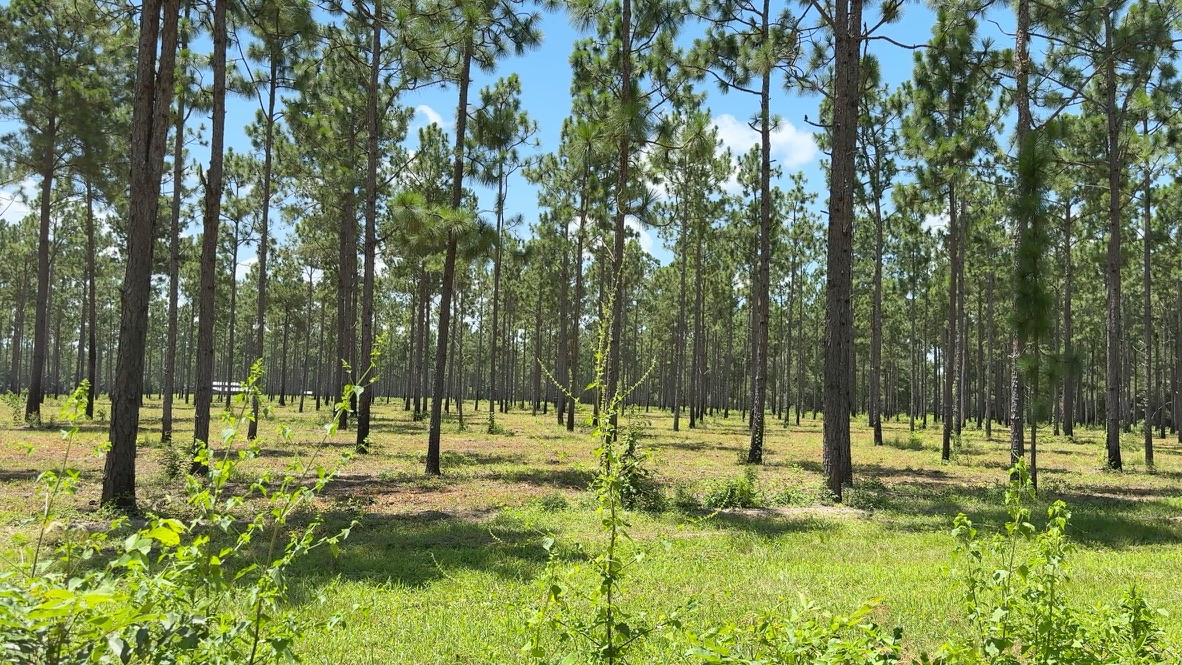
Why a land specialist
Land is not a house. It is your legacy.
Timberland and agricultural property are bought and sold on very different terms than residential real estate. The value is in the soil, the water, the stand of trees, the road frontage, the hunting, the tax treatment and the long-term plan. A farm and land specialist reads those layers and translates them into price, risk and opportunity.
As a Luxury & Legacy land broker, my focus is helping families and investors buy property that performs today and endures for the next generation — whether that is a working pine plantation, a quail plantation or a riverfront retreat.
The legacy idea: a well-managed pine stand is a living asset. It can generate periodic income from thinnings, provide wildlife habitat and recreation, and still be growing in value when it passes to your children.
Debbie Kirkland · Broker, Century 21 First Story Real Estate
Know your trees
The pines of North Florida & Southwest Georgia
The species planted on a tract shapes its growth rate, its markets, its fire management and its look. Four southern yellow pines dominate this region.
| Species | Character | Value & markets |
|---|---|---|
| Loblolly | Fastest early growth; the most widely planted pine in the South. Prefers moister, better soils. | Strong pulpwood, chip-n-saw and sawtimber markets. Short rotations of 25–35 years, and improved genetics maximize yield. |
| Slash | Native to the Coastal Plain; tolerates wet, sandy flatwoods. Common in North Florida. | Sawtimber, poles and pulp; also pine straw and historically naval stores. Rotations of 25–40 years. |
| Longleaf | The iconic, fire-adapted native pine of the region’s plantations. Slow “grass stage” start, then very long-lived. | Premium poles and high-grade sawtimber, valuable pine straw, top-tier quail and wildlife habitat, high aesthetic and resale appeal. Strong resistance to fire, wind, insects and disease. Rotations of 40–80+ years. |
| Shortleaf | Found more in upland areas to the north; less common here. | Quality sawtimber; mainly a restoration and diversity species. |
Rotation lengths are typical ranges and vary with site, goals and markets. Current stumpage prices are tracked regionally by Timber Mart-South.
Products by size
- Pulpwood – smallest diameters, paper & fiber
- Chip-n-saw – mid size, small lumber
- Sawtimber – large logs, highest value per ton
- Poles – straight, premium utility poles
- Pine straw – recurring income from longleaf and slash
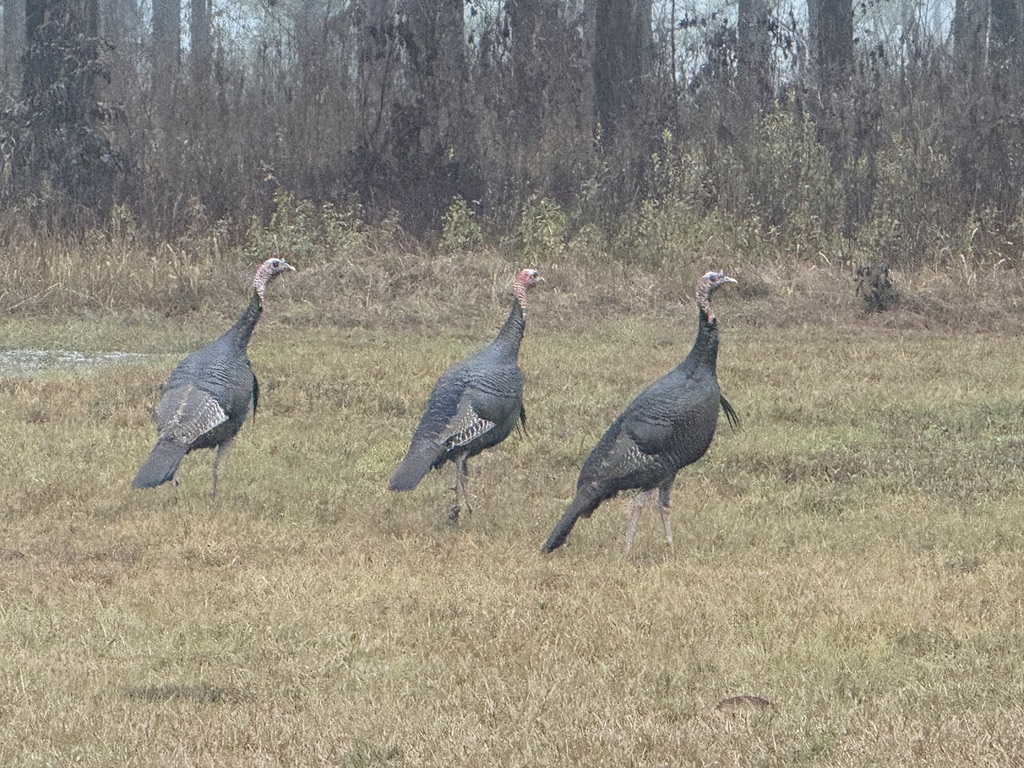
A managed pine stand is also wildlife habitat — and that is part of its value
Stand management
The maintenance protocol
Prescribed fire
Controlled burning every 2–4 years, once trees are large enough, reduces fuel and wildfire risk, controls hardwood competition, recycles nutrients and opens the understory for quail, deer and turkey. Burns should be planned and conducted by certified burn managers under a state authorization.
Competition control
Site preparation and targeted herbicide in the first years keep hardwoods and brush from shading young pines. Mowing or roller chopping maintains firebreaks and roads.
Fertilization
Soil and foliar testing guide fertilizer, often applied at planting and after thinning, to accelerate growth on responsive sites.
Health monitoring
Watch for southern pine beetle, Ips beetles, fusiform rust and annosus root rot. Thinning and fire keep stands vigorous and less susceptible.
Roads, lines & records
Maintain boundary lines, firebreaks, culverts and roads, and keep a written forest management plan, inventory and harvest records for taxes and resale.
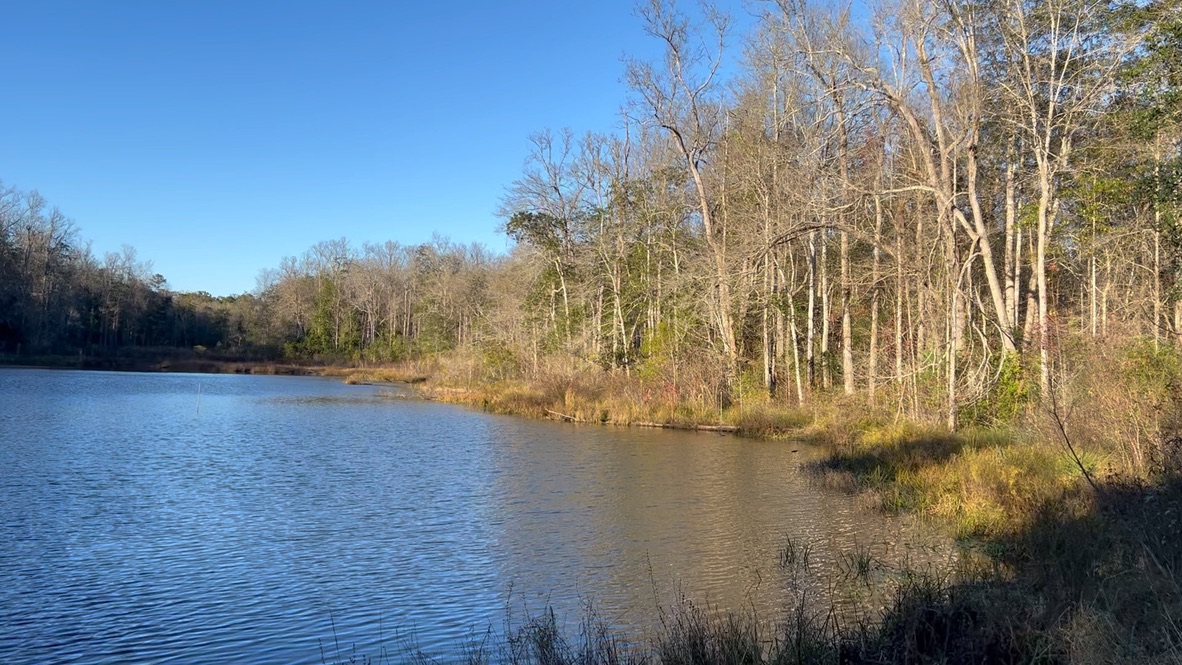
Routine maintenance keeps lanes and firebreaks open — and keeps a stand productive for decades.
Thinning & harvesting
Grow value, then capture it
Recommended thinning
- First thinning (age 12–18) – removes about a third to half of the trees, often every fifth or seventh row plus selection, yielding mostly pulpwood. The remaining trees gain light and room to grow.
- Second thinning (age 18–25) – removes smaller, poorer-formed trees, producing pulpwood and chip-n-saw while concentrating growth on the best stems.
- Target – a thinned stand typically carries about 50–80 square feet of basal area per acre, as recommended by your forester.
Final harvest
A clearcut or regeneration harvest typically comes at age 25–35 for loblolly and slash, and later for longleaf, when trees reach sawtimber size and markets are favorable.
Best practices for sellers
- Hire a consulting forester to cruise, mark and market timber
- Sell by sealed bid to multiple buyers
- Use a written timber sale contract with BMP, cleanup and insurance terms
- Follow state Silviculture BMPs to protect streams and wetlands
- Consult a tax advisor on timber basis and capital gains treatment
The pine rotation
From seedling to legacy
A typical planted loblolly or slash pine cycle. Longleaf follows the same path on a longer, more fire-driven schedule.
Year 0 · Site preparation
Harvest cleanup, chopping or shearing, herbicide, burn and bedding on wet sites. Order improved seedlings early.
Year 0–1 · Planting
Plant December–February, roughly 450–700 trees per acre (longleaf often containerized). Check survival after the first growing season.
Years 1–5 · Establishment & weed control
Herbaceous and woody competition control, fertilization as needed, firebreak and road maintenance.
Years 5–12 · Crown closure & first burns
Begin prescribed fire once trees can tolerate it; monitor pests and disease; maintain lines.
Years 12–18 · First thinning
Row and selection thinning; first income, mostly pulpwood. Optional post-thin fertilizer.
Years 18–25 · Second thinning
Release the best trees; pulpwood and chip-n-saw income. Continue a 2–4 year burn cycle.
Years 25–35+ · Final harvest
Sawtimber and poles at peak value. Market by sealed bid through a consulting forester.
Then replant
Reforest within one to two years, choosing species and genetics to fit the site and the family’s legacy goals.
For buyers
Buying timber land in North Florida & South Georgia
Define your goals
Income, recreation, hunting, conservation, a family retreat, or a blend. Your goals drive species, stand age and the right property.
Get a timber cruise
A licensed forester estimates volume and value by product. On many tracts, standing timber is a meaningful share of the price.
Study the land
Soils, site index, wetlands and flood zones, access and road frontage, water features, and any existing timber or hunting leases.
Review taxes & programs
Florida Greenbelt agricultural classification, Georgia CUVA and FLPA conservation programs, and federal cost-share can significantly affect holding costs.
Finance with a land lender
Farm Credit and agricultural lenders understand timber collateral and often offer longer terms than conventional banks.
Plan for the long term
Put a forest management plan in place and consider entity structure, easements and estate planning to protect the legacy.
Region at a glance: the Red Hills between Tallahassee and Thomasville is one of the country’s best-known longleaf and quail plantation landscapes, while the broader Coastal Plain offers productive soils, strong timber mill markets and a long growing season.
Questions & answers
Timberland buying questions, answered
How is a timber tract priced?
By the land plus the standing timber. A licensed forester’s cruise estimates merchantable volume and value by product — pulpwood, chip-n-saw, sawtimber and poles. On many tracts, the standing timber is a meaningful share of the total price, so a cruise is not optional.
Which pine should I plant?
It depends on your soils and goals. Loblolly grows fastest early on better sites and carries the strongest pulp and sawtimber markets; slash tolerates wet, sandy flatwoods; longleaf is slower but produces premium poles, pine straw and top-tier wildlife habitat with strong disease and fire resistance.
How often should a pine stand be burned?
Once trees are large enough, every two to four years. Prescribed fire reduces fuel and wildfire risk, controls hardwood competition, recycles nutrients and opens the understory for wildlife. Burns should be planned and conducted by certified burn managers under state authorization.
When does timberland generate income?
Often at the first thinning around age 12–18, mostly pulpwood; again at the second thinning around 18–25 with chip-n-saw; and at final harvest around 25–35 for loblolly and slash, later for longleaf. Pine straw on longleaf and slash can provide recurring income between harvests.
What programs can lower my holding costs?
Florida Greenbelt agricultural classification, Georgia CUVA and FLPA conservation-use programs, and federal cost-share through NRCS can all affect annual taxes and management costs. Each has use requirements and application deadlines, so confirm them during due diligence.
Can I use a normal mortgage to buy land?
Land is financed differently. Farm Credit and other agricultural lenders understand timber collateral and often offer longer terms, while conservation and recreational buyers may use other structures. Talk with a lender early so your offer is positioned as strongly as a cash buyer’s.
This guide is general information, not forestry, legal or tax advice. Consult licensed professionals for your property.
Looking at timber or agricultural land?
Tell me your goals — income, recreation, hunting, conservation or a family legacy — and I’ll help you find land that performs today and lasts for the next generation.