
Specialty Market Guide · 2027 Edition
The Buyer’s Guide to Luxury, Legacy & Equestrian Property
How to find, evaluate and buy the right horse farm, ranch or country estate — and how I guide you every step of the way.
Welcome
Buying land is buying a lifestyle.
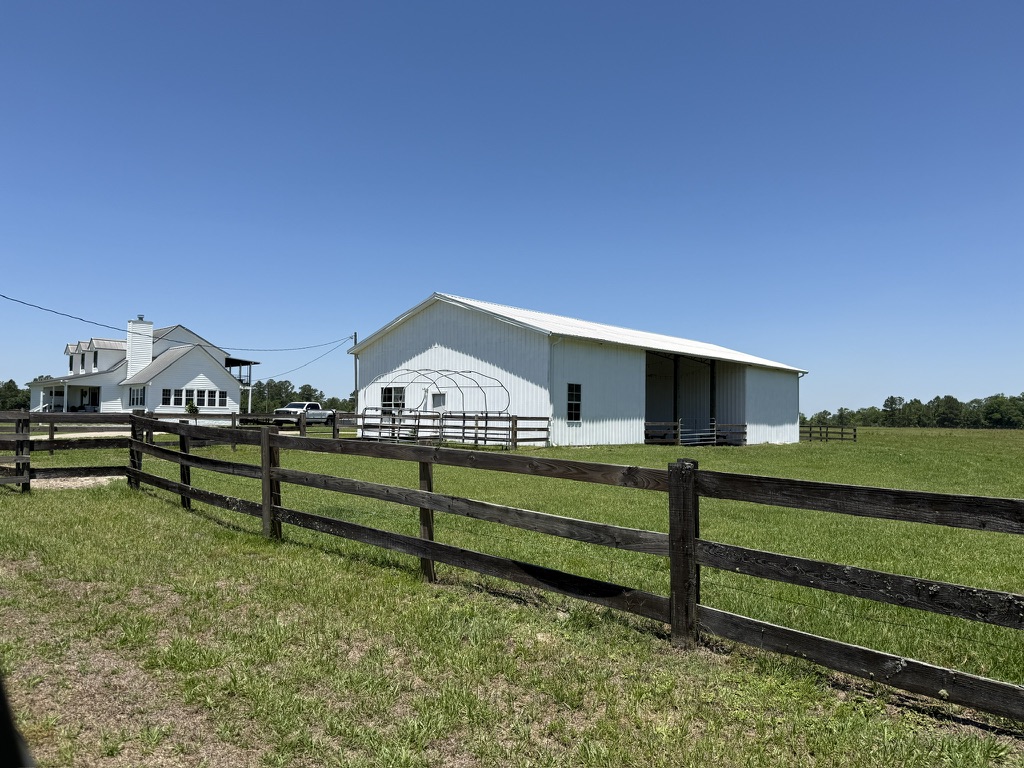
A horse property is not just a home with acreage. It’s where your horses live, train and rest; where your family gathers on the porch; and, for many of my clients, where a legacy begins. The right farm makes every day easier. The wrong one can cost years and a lot of money to fix.
I was raised on a farm, rode and competed into my early twenties, and come from five generations of North Florida and South Georgia farmers and cattle ranchers. Today I own a farm in Cairo, Georgia. When I walk a property with you, I’m looking at it the way a horse owner does: the fencing, the footing, the barn, the water and the land.
This guide explains how I work with buyers, what to look for in an equestrian or legacy property, and the resources that will help you buy with confidence.
Debbie Kirkland · Broker, Century 21 First Story Real Estate
Why a specialist
An equestrian property deserves an equestrian broker
Horse farms and legacy estates are bought on very different terms than suburban homes. Price depends on the barn, the fencing, the footing, the pasture, the water and the land itself. Most of those features never show up correctly in an MLS search.
An equestrian eye
Barns, stalls, arenas, fencing and pasture judged by someone who has ridden and owned horses.
Early and off-market access
Our 34,000+ contact database, agent network and word-of-mouth sales often surface farms before they are advertised.
True value insight
Every asset weighed — from timber and fencing to outbuildings and home updates — not just the house square footage.
Rural due diligence
Surveys, soils, flood zones, wells, septic, easements and rights, coordinated inside your inspection period.
Program knowledge
Agricultural classification, conservation programs and 1031 exchanges, with the deadlines each one carries.
A trusted network
Lenders, surveyors, inspectors, foresters, vets and attorneys who work in this region every week.
Most of my farm sales close with cash buyers. I know how to position your offer to compete, and when there’s room to negotiate.
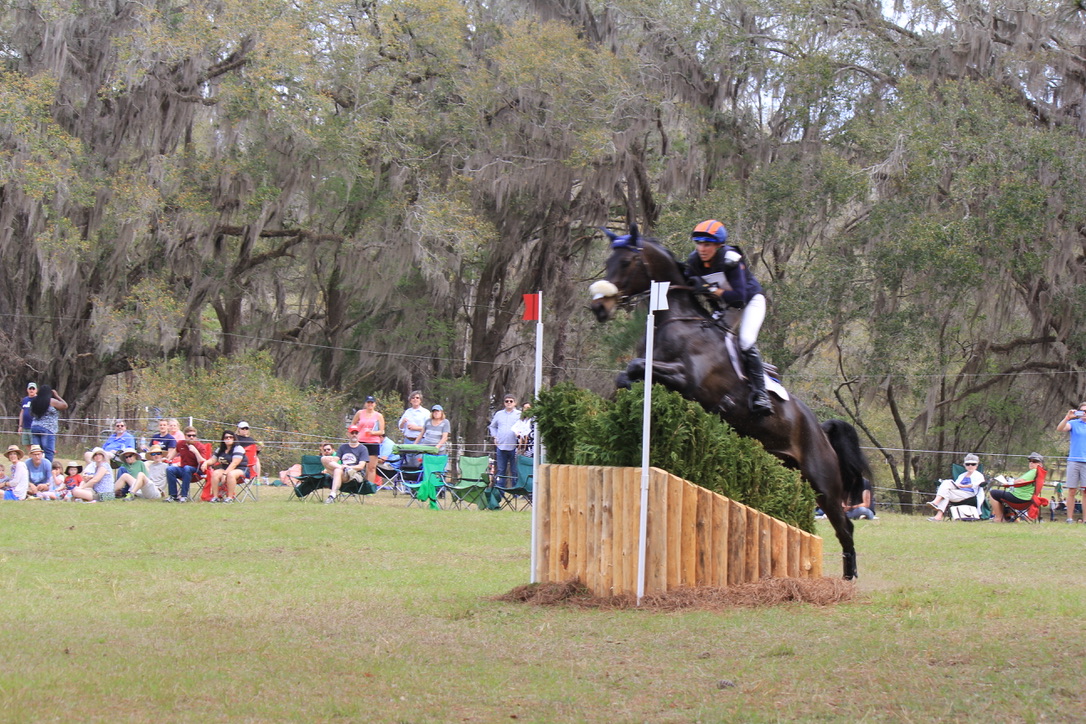
The region’s show and event calendar is part of what you are buying
How I work with buyers
A personal search, built around you
Every buyer starts with a conversation, not a list of links. Here is how we find, evaluate and secure the right property together.
Buyer consultation
We talk through how you’ll use the land: number and type of horses, discipline, training or breeding, family needs, recreation, income goals and your long-term legacy plans.
Your property profile
Together we define must-haves and nice-to-haves: acreage, stalls, arena, fencing, home size, water, location and drive times to town, vets, shows and the airport.
Financing & proof of funds
We confirm your buying power early, whether cash, a Farm Credit or other agricultural lender, or a 1031 exchange with deadlines to meet.
The search, on and off market
We search the MLS, land and equestrian sites, and our database, agent network and Century 21 Farm & Ranch contacts for properties that may never be advertised.
Remote previews & tours
For out-of-area buyers, we preview properties first and send video, aerials and notes, so your trips are spent on the farms that truly fit.
Value every asset
Before you offer, we study recent farm and equestrian sales and weigh the property’s barns, fencing, arena, timber, water, outbuildings and home updates. MLS comps alone don’t tell the story.
Write a strong offer
We structure price, terms, inspection periods and inclusions such as equipment, hay or furnishings to win the property while protecting you.
Rural due diligence
We coordinate surveys, home and barn inspections, well and septic tests, a timber cruise where needed, and review of easements, leases and flood zones.
Closing & beyond
We guide you through closing, then connect you with farriers, vets, hay suppliers, fencing crews, foresters and local programs so you’re ready on day one.
What to look for
The equestrian property checklist
Bring this list on every tour. These are the features that most affect a horse property’s daily function, maintenance cost and resale value.
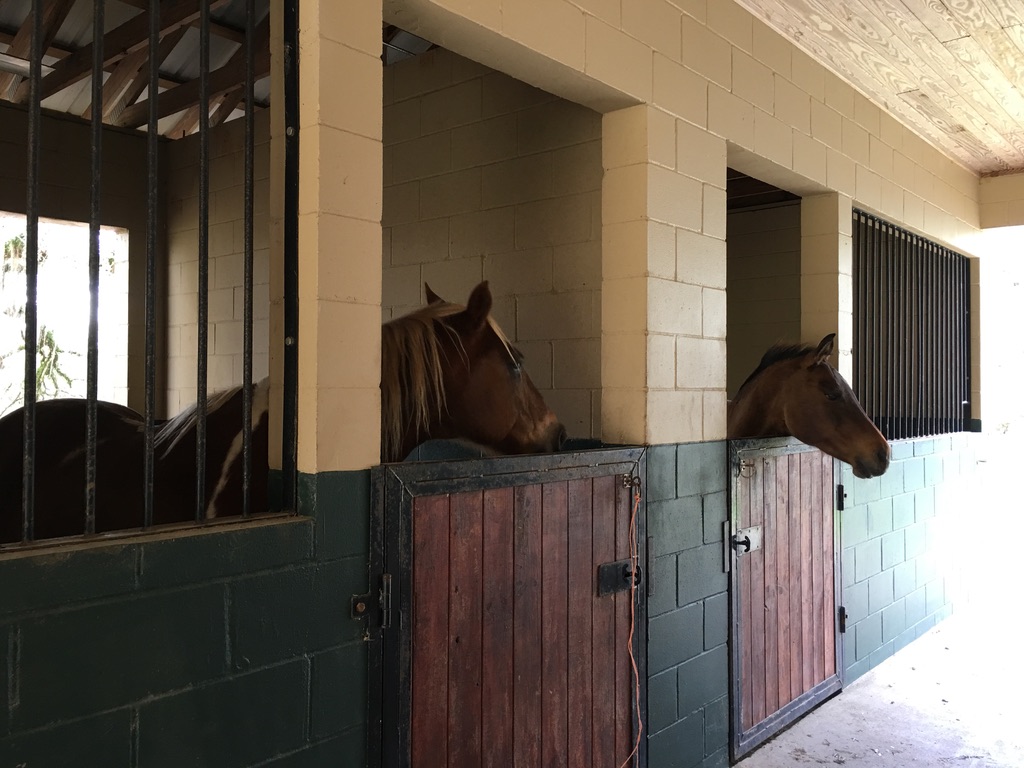
Barn & stalls
Stall size and count, airflow, fans, lighting, drainage, wash rack, tack and feed rooms.
Arena
Size, footing type and depth, drainage, fencing, lighting and dust control.
Fencing & gates
Board, no-climb or wire; condition; safe corners; cross-fencing for rotation.
Pasture
Usable acres, grass quality, soils, shade and room to rotate paddocks.
Water
Wells, troughs and hydrants in each paddock; ponds, springs and creeks.
Access
Road frontage, interior roads and room for trailers and hay trucks to turn.
Storage
Dry hay storage, equipment sheds, shavings and trailer parking.
The home
Views of the barn and pasture, mudroom, condition, updates and systems.
Also consider drive time to an equine vet, farrier and feed store; nearby trails and show venues; drainage after heavy rain; and any zoning or deed limits on the number of horses or barn uses.
Due diligence
Know the land before you buy it
Rural and equestrian property comes with questions a home inspection alone won’t answer. We help you investigate each one during your inspection period.
- Survey & boundaries – a current boundary survey, flagged corners, and confirmation of acreage and legal access
- Soils & flood zone – USDA soil data, drainage, FEMA flood zones and any wetlands that limit use
- Well & septic – water quality and flow tests, septic inspection and pump records
- Easements & rights – recorded easements, shared roads, and whether timber, mineral or hunting rights convey
- Leases & contracts – existing hay, grazing, timber or hunting leases, and their terms and end dates
- Taxes & exemptions – current taxes, agricultural classification and what happens to it after the sale
- Barn & outbuildings – structure, roofs, electrical, plumbing and permits on barns, apartments and sheds
- Insurance – quotes for the home, barns, liability for horses and guests, and flood if needed
Area awareness: we also look at what’s planned nearby — new roads, commercial development or solar projects — that could affect your enjoyment or future value.
Where to buy
Horse country: North Florida & Southwest Georgia
This region offers what equestrians and legacy buyers want: a mild climate for year-round riding, a long growing season, productive soils and room to spread out, all within an easy drive of Tallahassee and its regional airport.
North Florida
- Leon County & Tallahassee – gated equestrian estates and acreage close to town
- Wakulla County – rural acreage near the Gulf coast, springs and national forest
- Gadsden County & Quincy – rolling horse farms, ponds and working ranches
- Jackson County – open pastureland and larger horse and cattle tracts
Southwest Georgia
- Thomas County (Thomasville, Boston, Ochlocknee) – Red Hills plantations and quail country
- Grady County (Cairo, Whigham) – timber, river frontage and hunting land
- Brooks County (Quitman, Dixie) – cropland, cattle and rural acreage
- Colquitt County (Moultrie) – Georgia’s top farm county by value
- Decatur County (Bainbridge, Attapulgus, Lake Seminole) – irrigated farmland and horse farms
HomeSalesofTallahassee.com is our main site for equestrian property, and FirstStory.co has our full brokerage search. Ask me to set up a custom search and early alerts.
Market profile
Southwest Georgia farm country
Rural counties with productive soils, cropland, cattle and timber, and a long agricultural heritage. I am actively working with farm buyers and sellers in each of them.
Colquitt County
Georgia’s top agricultural county, with a state-leading farm gate value of about $700 million in 2024. It also leads the state in vegetable value and is a top producer of cabbage and bell peppers, alongside cotton and peanuts.
Decatur County
A row-crop and fresh-produce powerhouse on highly irrigated farmland, first in Georgia for sweet corn and second for vegetable value, with large cotton and peanut acreage and recreation on Lake Seminole.
Brooks County
About 392 farms on roughly 207,000 acres, ranking fifth in Georgia for harvested cropland. Cotton and peanuts lead, alongside about 13,000 head of cattle, dairy, hay and a top-10 vegetable industry.
Grady County
Row crops, vegetables and a strong timber sector, plus one of Georgia’s top-10 counties for ornamental horticulture. Cairo carries a proud cane syrup heritage, and the Ochlockonee River offers hunting and river land.
Thomas County
The heart of the Red Hills, known for historic quail plantations, longleaf pine and legacy estates, with working row-crop farms, cattle and timber across its rural communities.
What it means for buyers
Productive soils, established agricultural infrastructure and a deep farm market. That combination supports working operations, recreational land and long-term legacy holdings alike.
Financing, taxes & ownership
Plan the purchase, protect the legacy
Ways to buy
- Cash – most of our farm buyers pay cash, which makes offers stronger and closings faster
- Agricultural lenders – Farm Credit and other land lenders understand acreage, barns and timber, and often offer longer terms than conventional banks
- 1031 exchanges – investors can roll proceeds from other real estate into land; we know the timelines
Taxes & long-term planning
- Florida Greenbelt – land in genuine agricultural use, including some horse operations, may qualify for agricultural classification through the county property appraiser
- Georgia CUVA & FLPA – conservation-use programs administered by county tax assessors
- Legacy structure – talk with your attorney and tax advisor about entity ownership, conservation easements and estate planning before closing
Insurance matters on a horse farm. Get quotes early for the home, barns and outbuildings, equine liability and, where needed, flood coverage. Rural premiums and coverage can affect your total cost of ownership.
Questions & answers
Equestrian and farm buying questions, answered
Why use a farm and equestrian specialist instead of a general agent?
Price on a horse property is driven by the barn, fencing, footing, pasture, water and land — features that rarely appear correctly in an MLS search. A specialist reads those layers and translates them into value, risk and opportunity, and can often bring you farms before they are advertised.
What should I inspect on a horse farm?
Beyond the home inspection: a boundary survey, well and septic tests, barn and outbuilding condition and permits, soils and FEMA flood zones, recorded easements and rights, existing hay, grazing, timber or hunting leases, and insurance quotes including equine liability.
How is agricultural land taxed after I buy it?
Florida agricultural classification through the Greenbelt program and Georgia’s CUVA and FLPA programs can reduce assessments on qualifying land, but each has use requirements and application deadlines. What happens to the current classification after closing should be part of your due diligence.
Can I use a 1031 exchange for a farm?
Yes, in many cases. Land and farm property can qualify, but the timelines are strict and the replacement property must meet the rules. Talk with your tax advisor early — we have closed exchanges on and off market.
Do I need to pay cash for a farm?
No, though many of our buyers do. Farm Credit and other agricultural lenders offer land loans with longer terms than conventional banks, and renovation or construction financing may fit if you plan to build or expand.
How soon can I start looking if I’m moving from out of state?
Right away. We preview properties for out-of-area buyers and send video, aerials and notes first, so your visit is spent on the farms that genuinely fit. Set up a custom search and early alerts before you travel.
Looking for the right farm or country estate?
Tell me how you plan to use the land — horses, cattle, timber, family legacy or all of it — and I’ll build the search around you.